My Store
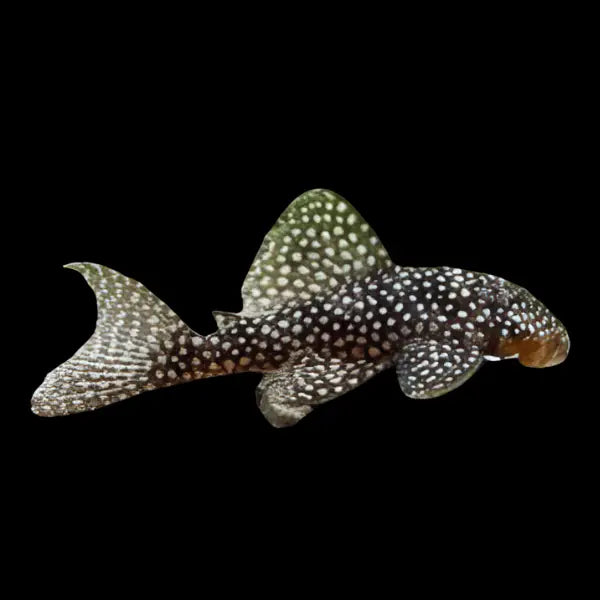
L136 Demini Angelicus | Pleco —
L136 Demini Angelicus | Pleco —
Couldn't load pickup availability
L136 Demini Angelicus Pleco |
| Attribute | Details |
|---|---|
| Scientific Name | Hypancistrus sp. L136 |
| Common Name | L136 Demini Angelicus Pleco |
| Country of Origin | Brazil (Rio Demini) |
| Max Size | ~12–15 cm (5–6 inches) |
| Temperament | Peaceful, but males can be territorial toward other plecos |
| Aquarium Level | Bottom |
| Water Type | Freshwater |
| pH | 6.0–7.5 |
| Temperature | 26–30°C (79–86°F) |
| Water Flow | Moderate to strong, with high oxygen levels |
Diet & Feeding Guide
The L136 Demini Angelicus Pleco (Hypancistrus sp. L136) is an omnivorous pleco with a strong preference for protein-rich foods. In the wild, it feeds on small aquatic invertebrates, insect larvae, crustaceans, and other foods found among rocks and submerged surfaces. Unlike wood-eating plecos such as Panaqolus, L136 does not require wood as part of its diet.
Primary Foods
A varied, protein-rich diet is ideal for maintaining good condition. High-quality sinking foods should form the foundation of the diet, supplemented with frozen or live foods.
Recommended Foods:
- Sinking Pellets: High-quality carnivore, omnivore, or specialist pleco pellets are excellent staple foods.
- Frozen Foods: Bloodworms, brine shrimp, mysis shrimp, daphnia, and other appropriately sized frozen foods provide excellent protein.
- Live Foods: Suitable live foods can occasionally be offered to encourage natural hunting and feeding behaviour.
- ▪ Algae Wafers: Can be offered as part of a varied diet, although they should not be the primary food.
- Vegetables: Small amounts of blanched zucchini, cucumber, spinach, or similar vegetables can be offered occasionally for variety.
Driftwood & Aquarium Furnishing
Driftwood is not required as a food source for L136. However, wood, rocks, caves, and other hardscape are highly beneficial for providing shelter and allowing the fish to display natural behaviours.
Why Caves & Hardscape are Important:
- Hiding Places: L136 is a secretive species that appreciates secure caves and shaded areas.
- Territory: Individual caves provide territories, particularly for mature males.
- Natural Behaviour: Rockwork and caves encourage exploration and natural nocturnal activity.
- Breeding: Narrow caves and suitable spawning shelters are important when breeding this species.
Feeding Tips
- Feed in the evening or shortly after the aquarium lights go out, when L136 is most active.
- Offer small portions and ensure food reaches the bottom where the plecos can access it.
- Provide a varied diet rather than relying on a single food.
- Remove uneaten food to help maintain excellent water quality.
- High oxygen levels and clean, stable water are particularly important for this species. ·
Share