Ohio Pet Depot
Sharptail | Sand Boa - Eryx · conicus —
Sharptail | Sand Boa - Eryx · conicus —
Couldn't load pickup availability
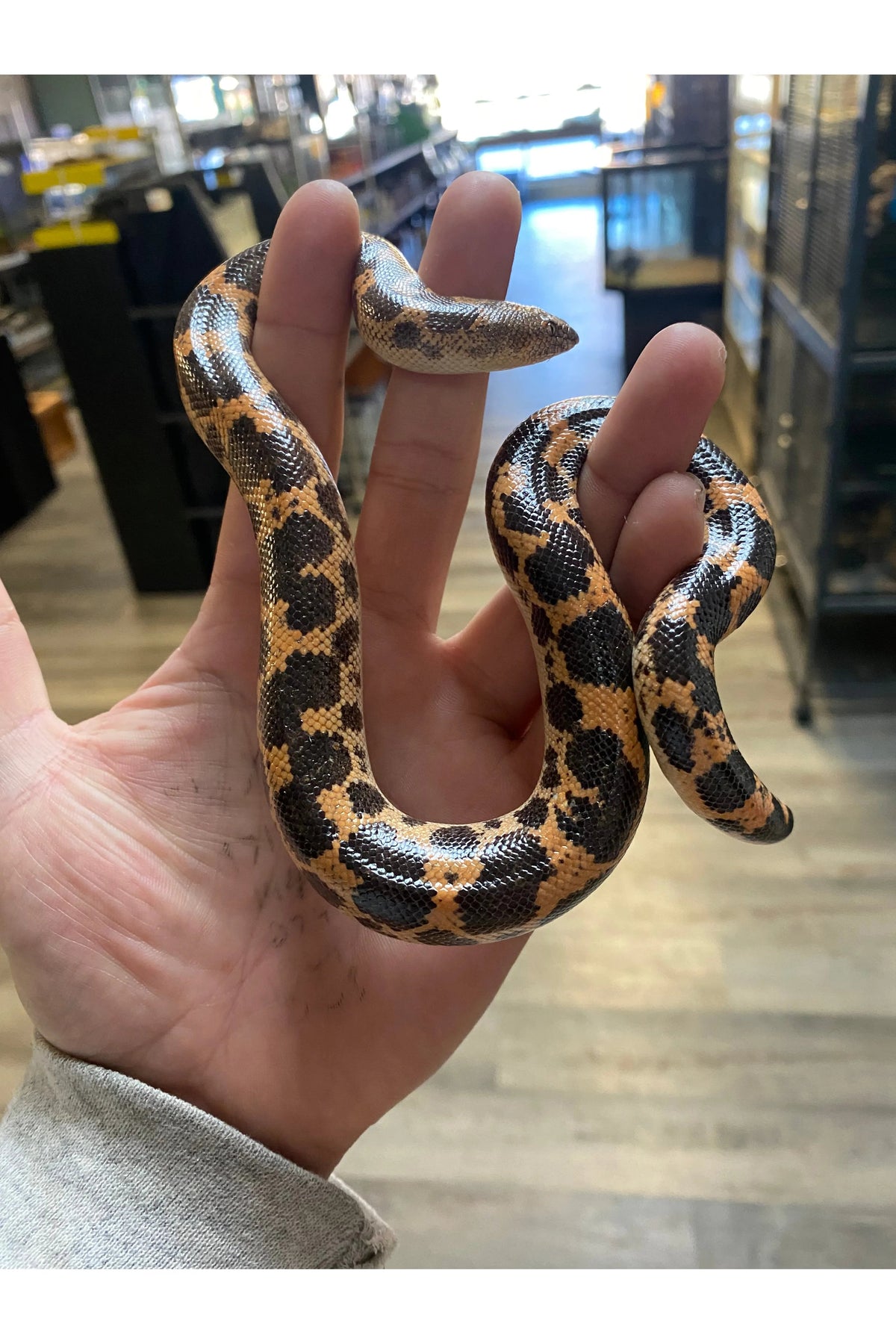
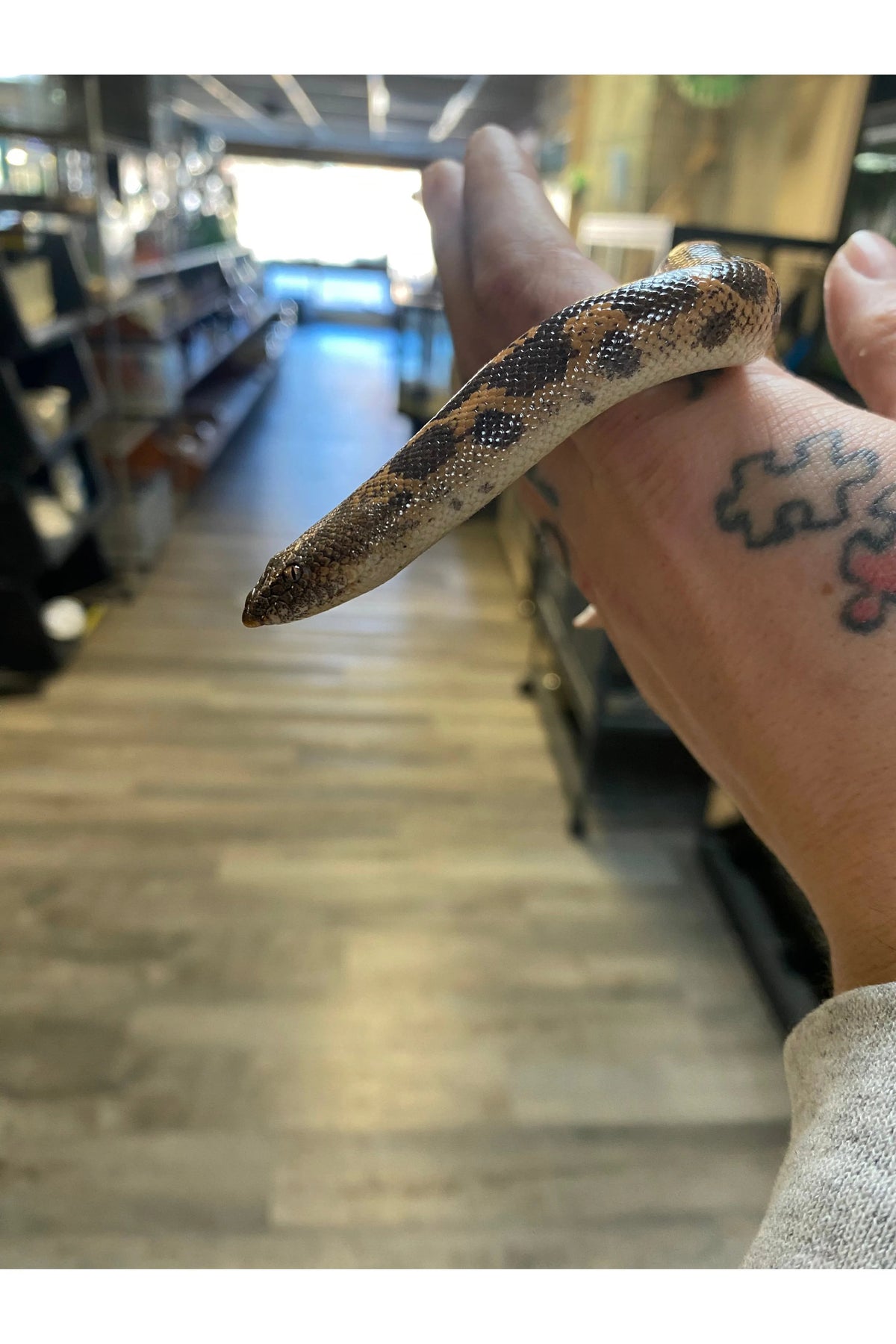
| The Sharptail Sand Boa (Eryx conicus) is a fascinating non-venomous snake recognised for its stout body, short tail, and distinctive pointed tail tip. Native to parts of South Asia, this terrestrial species is adapted to spending much of its time beneath loose soil and sandy substrates. Its unusual appearance and secretive lifestyle make it an interesting species for specialist reptile keepers. —
At a Glance
- Common Name: Sharptail Sand Boa
- Scientific Name: Eryx conicus
- Animal Type: Non-venomous terrestrial snake ·
- Native Region: South Asia
- Diet: Carnivorous ·
- Lifestyle: Primarily burrowing and secretive
- Distinctive Feature: Short, pointed tail and robust body
| Distinctive Appearance
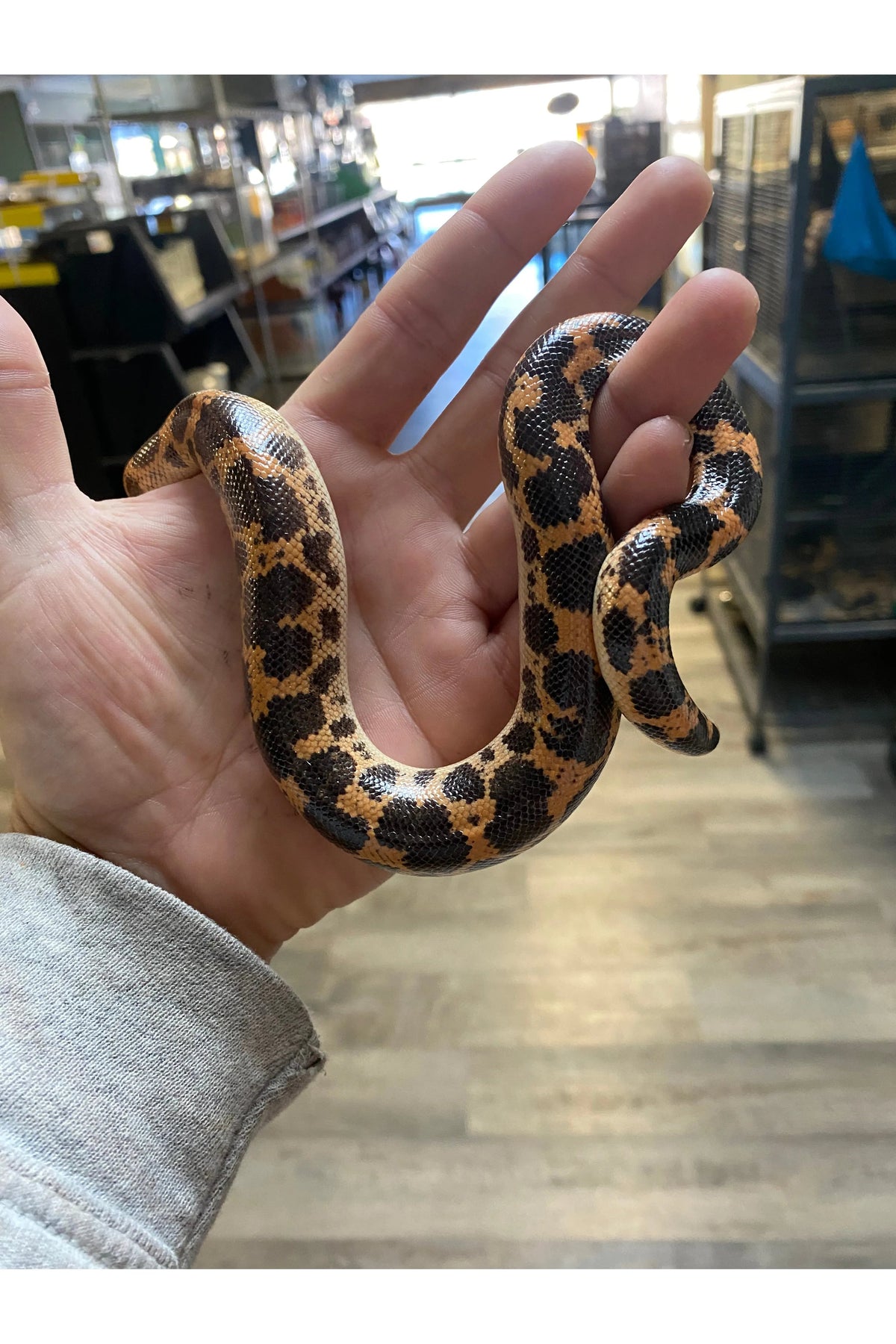
The Sharptail Sand Boa has a thick, muscular body, a relatively short tail, and a blunt head that helps it move through loose substrate. Its colouration commonly includes brown, tan, cream, and darker patterned markings that provide natural camouflage. — The pointed tail is one of its most recognisable physical characteristics.
Behaviour and Lifestyle
This sand boa is generally secretive and spends considerable time hidden beneath the substrate. It is adapted to a burrowing lifestyle and may emerge to explore or hunt. Like other boas, it captures prey using constriction. Individual temperament varies, so calm and careful handling is recommended.
▪ Habitat Requirements
A suitable enclosure should provide enough floor space, a secure lid, and a deep layer of appropriate burrowing substrate. Include suitable hiding areas and maintain a controlled temperature gradient with a warm zone and cooler retreat. Humidity, substrate depth, and temperature should be adjusted to the species' requirements. Avoid excessively damp conditions and ensure the enclosure remains clean.
Feeding and Nutrition
The Sharptail Sand Boa is carnivorous and generally feeds on appropriately sized rodents in captivity. — Prey size should be matched to the snake's body size, and feeding frequency should be adjusted according to age, weight, and body condition. Pre-killed or frozen-thawed prey is generally preferable to live prey because it reduces the risk of injury.
Share